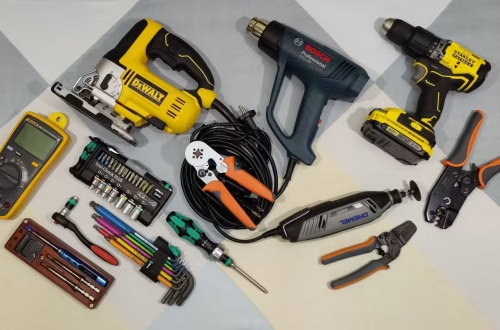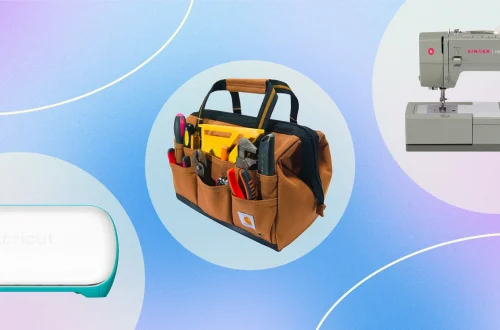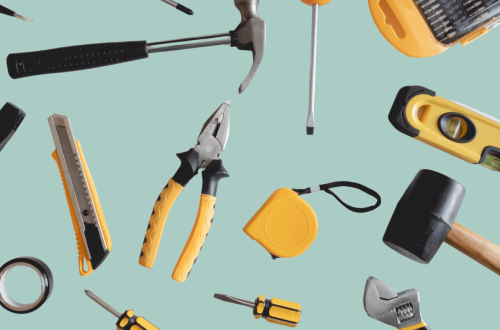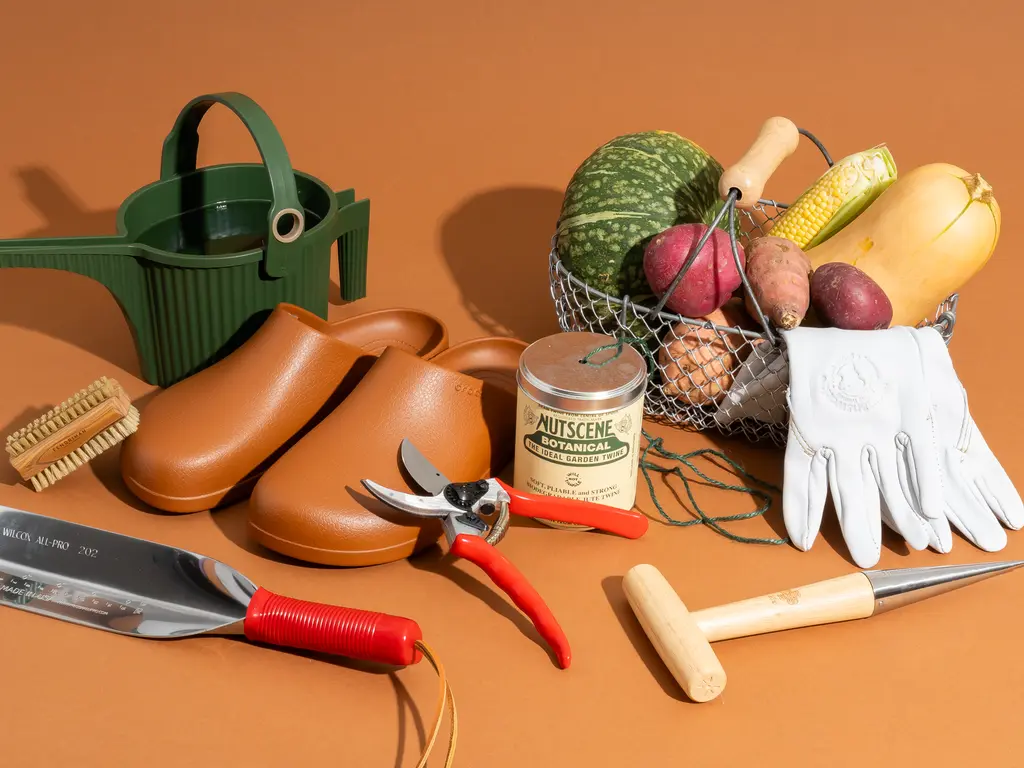
Handmade gifts carry intention, effort, and personality, but polish is what turns a thoughtful idea into something that truly feels special. Over time, I have learned that the difference between a gift that feels homemade and one that feels handcrafted often comes down to the tools behind it. Good tools do not replace creativity or care, yet they quietly refine the final result in ways that people notice immediately. From cleaner edges to smoother finishes, the right equipment elevates the entire experience of giving and receiving.
I focus on tools that improve consistency, precision, and presentation rather than speed alone. A polished gift looks deliberate, balanced, and finished, even if the materials are simple. These tools have helped me gain confidence in my work and enjoy the process more, knowing that the end result will reflect the effort I put into it. Each section below highlights tools that have genuinely changed how my handmade gifts look and feel.
Precision Cutting Tools
Clean cuts are one of the first things people notice in handmade items. Uneven edges or frayed corners can distract from an otherwise beautiful gift, which is why precision cutting tools are essential. A high-quality craft knife paired with a self-healing cutting mat allows me to make sharp, controlled cuts on paper, leather, vinyl, and thin wood. The mat protects surfaces while also helping maintain accuracy over time.
Rotary cutters are another favorite, especially for fabric and felt projects. They glide smoothly and reduce jagged edges that scissors sometimes leave behind. Paired with an acrylic ruler, a rotary cutter helps me achieve straight lines that look intentional and professional. These tools make a visible difference, especially on projects that involve repeated shapes or layered materials.
Cutting Mats and Measuring Guides
A cutting mat does more than protect a table. It creates a stable, measured workspace that supports accuracy and consistency. The grid lines printed on most mats help with alignment, spacing, and symmetry, which are crucial when assembling gift boxes, cards, or framed items. This visual guidance keeps proportions balanced throughout the project.
Measuring guides such as metal rulers and T-squares also contribute to a polished finish. Unlike flexible plastic rulers, metal ones hold their shape and double as cutting edges. Using proper measuring tools reduces guesswork and prevents small errors from compounding as the project progresses. Precision at this stage saves time later and results in cleaner final pieces.
Adhesives That Leave No Trace
Glue choice matters more than many people realize. Visible glue marks, warping, or uneven bonding can undermine the appearance of a handmade gift. I rely on a small set of adhesives tailored to specific materials rather than a single all-purpose option. Craft glue with a fine tip allows controlled application, which keeps edges neat and surfaces smooth.
Double-sided tape and adhesive sheets are invaluable for paper crafts and lightweight embellishments. They bond cleanly without moisture, preventing wrinkles or bleed-through. For heavier materials, a low-temperature glue gun offers strong adhesion without excessive bulk. Using the right adhesive ensures that everything stays in place while remaining invisible to the eye.
Sanding Tools for Smooth Finishes
Sanding tools are essential for gifts made from wood, clay, resin, or even thick paper. Rough edges and uneven surfaces can make an item feel unfinished, no matter how creative the design. A set of sanding blocks in varying grits allows gradual smoothing without damaging the piece. Fine-grit sandpaper adds a refined touch that feels pleasant to hold.
For small or detailed areas, sanding sponges and needle files provide control and flexibility. These tools help refine curves, corners, and tight spaces that larger sanders cannot reach. Taking time to sand properly transforms raw materials into objects that feel intentional and well-crafted.
Heat Tools for Controlled Finishing
Heat tools play a subtle but powerful role in polishing handmade gifts. A heat gun helps set embossing powders, smooth vinyl edges, and remove bubbles from resin or adhesive layers. Controlled heat ensures a clean finish without scorching or warping materials. This tool adds refinement that is difficult to achieve otherwise.
For fabric and ribbon-based gifts, a mini iron or pressing tool improves structure and appearance. Crisp folds and flat seams instantly elevate items like gift wraps, pouches, and textile decorations. Heat tools bring order and consistency, which are key elements of a polished look.
Paint Brushes and Applicators
Painting tools directly influence how smooth and professional a finished surface appears. Cheap brushes often leave streaks, shed bristles, or apply paint unevenly. I invest in a small selection of quality brushes in different shapes and sizes, each suited for specific tasks. Flat brushes work well for broad areas, while angled and round brushes handle details cleanly.
Foam brushes and rollers also have their place, especially for base coats or sealants. They distribute paint evenly and reduce visible brush marks. Proper applicators ensure that color looks intentional rather than rushed, which makes a significant difference in how a handmade gift is perceived.
Sealants and Finishing Sprays
A polished gift often has a consistent finish that protects the surface and enhances its appearance. Sealants such as clear varnish, wax, or spray fixatives lock in color and texture. They also add durability, ensuring the gift looks good long after it is given. Choosing the right sealant depends on the material and desired effect.
Matte finishes provide a soft, modern look, while gloss finishes add shine and depth. Applying sealants evenly requires patience and the right tools, such as soft brushes or spray triggers. A well-applied finish makes handmade items feel complete and thoughtfully prepared.
Stitching and Sewing Tools
For textile-based gifts, stitching quality is a major factor in overall polish. Sharp needles, quality thread, and reliable scissors improve both the process and the result. Thread that matches or complements the fabric creates a cohesive look, while uneven or loose stitching can draw unwanted attention.
A seam ripper is an underrated but essential tool. It allows corrections without damaging the fabric, which keeps the final piece neat. Using proper sewing tools encourages cleaner seams and consistent tension, giving handmade fabric gifts a refined, professional appearance.
Punches and Embossing Tools
Decorative punches and embossing tools add dimension and detail without overwhelming a design. Paper punches create uniform shapes that are difficult to replicate by hand. They are especially useful for tags, cards, and decorative accents. Consistency in shape contributes to a cohesive and polished look.
Embossing tools add raised or recessed designs that catch light and texture beautifully. These subtle details elevate simple materials and make gifts feel more intentional. Used sparingly, embossing enhances elegance rather than distracting from the overall design.
Labeling and Personalization Tools
Clear, well-designed labels add a finishing touch that ties everything together. Label makers, printable sticker paper, and fine-tip markers help present information neatly. Whether adding a name, date, or short message, legible and balanced text improves the overall impression of the gift.
Calligraphy pens and brush markers allow for expressive personalization when handwriting is part of the design. Consistent lettering style contributes to cohesion across the gift and its packaging. These tools help transform personal touches into design elements rather than afterthoughts.
Packaging Tools That Complete the Look
Presentation plays a major role in how polished a handmade gift feels. Tools such as bone folders create crisp folds in wrapping paper and boxes. Ribbon cutters and curling tools produce clean, decorative finishes without frayed ends. These details signal care and intention before the gift is even opened.
Hole punches, eyelet setters, and twine tools help assemble custom packaging that feels sturdy and refined. Well-constructed packaging protects the gift while also enhancing anticipation. Thoughtful presentation reinforces the value of what is inside.
Lighting and Workspace Tools
Good lighting is often overlooked, yet it directly affects precision and quality. Adjustable task lamps illuminate details, making it easier to spot imperfections before they become permanent. Clear visibility supports cleaner work and reduces fatigue during longer projects.
An organized workspace with trays, containers, and tool holders also contributes to polished results. When tools are accessible and surfaces are clear, focus improves. A calm, functional environment encourages patience and attention to detail, which ultimately shows in the finished gift.
Maintenance Tools for Consistent Quality
Polish is not only about creation but also about maintenance. Cleaning brushes, sharpening blades, and storing tools properly extend their lifespan and performance. Dull blades and clogged brushes compromise results, no matter how skilled the maker is.
Routine care ensures that tools perform consistently from one project to the next. This reliability builds confidence and allows creativity to flow without technical frustrations. Well-maintained tools support a steady standard of quality across all handmade gifts.
Conclusion
Tools That Make Handmade Gifts More Polished are not about extravagance or complexity. They are about intention, precision, and respect for the craft. Each tool plays a quiet role in refining edges, smoothing surfaces, and presenting ideas clearly. Together, they support creativity while enhancing consistency and finish.
Over time, I have seen how these tools influence not just the appearance of my gifts but also how they are received. A polished handmade gift feels deliberate and thoughtful, communicating care before a word is spoken. Investing in the right tools turns handmade projects into keepsakes that reflect both heart and skill.