DIY gifts have always appealed to me because they feel intentional and personal without needing perfection. The moment I started making gifts by hand, I realized that the right beginner tools removed a lot of stress from the process. Instead of fighting with materials or fixing avoidable mistakes, I could focus on the joy of making something meaningful. Having simple, reliable tools makes DIY gifting feel accessible rather than intimidating.
Starting out does not require a workshop full of equipment. A small set of beginner-friendly tools can handle a surprising range of projects, from handmade cards to customized home décor. Over time, I learned that ease matters just as much as creativity. Tools that simplify steps, reduce errors, and save time make the entire experience far more enjoyable.
Basic Cutting Tools That Handle Most Projects
Cutting is involved in nearly every DIY gift project, so dependable tools make a noticeable difference. A sharp pair of general-purpose scissors works for paper, ribbon, lightweight fabric, and packaging materials. Dull scissors quickly ruin edges and make simple tasks feel frustrating.
A craft knife adds control for more detailed cuts. It handles straight lines, corners, and intricate shapes far better than scissors alone. Paired with a cutting mat, this simple tool makes beginner projects cleaner and more professional-looking without requiring advanced skills.
Measuring Tools That Reduce Guesswork
Accurate measurements save time and materials, especially for beginners. A basic ruler with clear markings helps with paper crafts, gift tags, and small builds. It creates confidence during cutting and layout instead of relying on estimation.
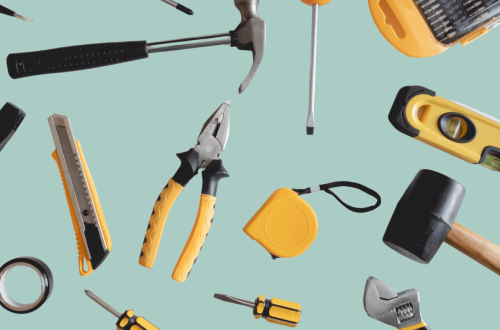
A flexible measuring tape expands possibilities beyond flat surfaces. It works well for fabric projects, wrapping gifts, and measuring containers or jars. With consistent measuring tools, mistakes become less frequent and projects feel easier to manage.
Adhesives That Simplify Assembly
Adhesives often determine whether a project feels sturdy or fragile. A standard craft glue works well for paper, lightweight embellishments, and foam. It offers enough working time to reposition pieces without panic.
A beginner-friendly hot glue gun adds versatility. It bonds materials quickly and handles heavier elements like wood accents or fabric layers. Using the right adhesive for each task reduces frustration and keeps projects moving forward smoothly.
Marking Tools That Improve Accuracy
Clear markings guide every step of a project. Pencils remain essential for sketching ideas, marking measurements, and adjusting designs. They allow changes without leaving permanent marks behind.
Permanent markers serve a different purpose. They personalize gifts, label packaging, and add decorative details. Having both options ensures flexibility while maintaining control over the final look.
Simple Hand Tools That Add Control
Basic hand tools quietly support many DIY gift projects. A small hammer helps with frames, boxes, and light assembly work. Its usefulness becomes apparent when dealing with hardware or wooden components.
Pliers assist with bending wires, attaching hooks, or handling small parts. Needle-nose pliers are especially beginner-friendly because they offer precision without requiring strength. These tools expand project options without overwhelming complexity.
Cutting Mats That Protect Workspaces
A cutting mat creates a safe and reliable surface for projects. It protects tables from damage while providing visual guides that help maintain straight lines. Beginners benefit from the added confidence of working on a designated crafting surface.
Self-healing mats extend blade life and improve cutting accuracy. Once incorporated into regular use, they quickly feel indispensable. A proper surface turns cutting tasks into controlled actions rather than risky guesses.
Painting Tools That Make Decorating Easier
Painting adds personality to DIY gifts, even with simple designs. A small set of paintbrushes in different sizes covers most beginner needs. Flat brushes handle large areas, while smaller ones manage details and edges.
Foam brushes simplify coverage and reduce visible brush strokes. They are forgiving for beginners who want clean results without advanced techniques. With basic painting tools, decorating becomes approachable rather than intimidating.
Sanding Tools That Improve Finishes
Sanding tools quietly elevate the quality of handmade gifts. Fine-grit sandpaper smooths rough edges and prepares surfaces for paint or sealant. Beginners often skip this step, yet it dramatically improves the final appearance.
Sanding blocks add comfort and consistency during use. Even pressure prevents uneven finishes and accidental damage. This simple tool turns rough materials into polished gift components with minimal effort.
Sewing Basics That Expand Gift Options
Sewing tools open the door to fabric-based gifts. A basic sewing kit with needles, thread, and pins covers small repairs and simple projects. Beginners do not need advanced machines to create meaningful fabric gifts.
A seam ripper earns its place quickly. Mistakes happen, and correcting them cleanly saves time and materials. These basic sewing tools make fabric projects less intimidating and more forgiving.
Storage Containers That Reduce Clutter
Organization supports creativity by reducing distractions. Simple storage bins or toolboxes keep supplies accessible and visible. Beginners benefit from knowing where everything is without searching mid-project.
Clear containers work well for small items like beads, screws, or embellishments. Labels add clarity and speed. Organized tools make crafting sessions feel calm rather than chaotic.
Lighting Tools That Improve Precision
Good lighting changes how projects feel. A desk lamp with adjustable brightness reduces eye strain and reveals details clearly. Shadows often hide mistakes that become obvious too late.
Proper lighting improves accuracy during cutting, painting, and assembly. It also makes longer crafting sessions more comfortable. Beginners often underestimate lighting, yet it significantly improves results.
Beginner Power Tools That Save Time
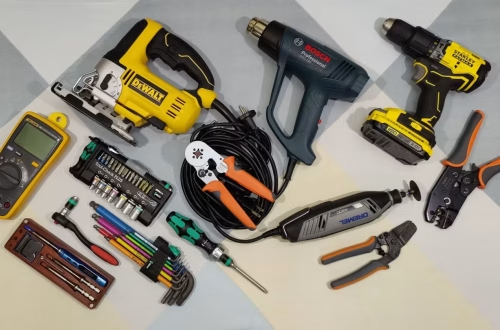
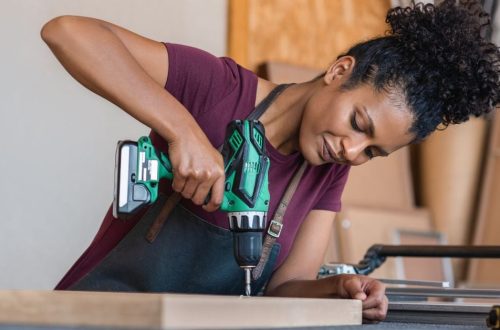
Power tools may seem advanced, but some are beginner-friendly and highly useful. A cordless drill simplifies tasks involving screws, holes, or assembly. It reduces physical effort and speeds up projects noticeably.
Using basic power tools expands project possibilities without requiring expertise. Starting with one versatile option builds confidence gradually. Power tools become helpers rather than obstacles when chosen thoughtfully.
Cleaning Tools That Maintain Tool Quality
Clean tools perform better and last longer. A few cloths, brushes, and mild cleaners handle most maintenance needs. Removing glue residue and paint buildup keeps tools ready for the next session.
Cleaning tools also support a tidy workspace. Ending a project with a quick cleanup prepares everything for future use. This habit reduces frustration and protects investments over time.
Digital Tools That Support Planning
Digital tools complement hands-on crafting. Simple design apps help sketch ideas and test layouts before cutting materials. Beginners benefit from visualizing projects in advance.
Online tutorials and inspiration boards provide guidance and ideas. While not physical tools, these resources support learning and confidence. Combining digital planning with physical tools makes DIY gifting feel manageable.
Packaging Tools That Finish Gifts Well
Presentation completes the gift experience. Tape dispensers, wrapping tools, and decorative scissors improve packaging quality. Clean wrapping reflects care and effort.
Custom tags and stamps add a personal touch. These simple tools enhance the final impression without requiring advanced skills. Packaging tools help gifts feel complete and thoughtfully prepared.
Budget-Friendly Tools That Deliver Results
Beginner tools do not need to be expensive to be effective. Many affordable options perform reliably when chosen with care. Starting with budget-friendly tools allows experimentation without pressure.
Upgrading gradually based on experience makes sense. Tools earn their place through use rather than price. This approach keeps DIY gifting accessible and enjoyable.
Tools That Build Confidence Over Time
Beginner tools do more than complete tasks. They build confidence through successful projects and smoother processes. Each completed gift reinforces skills and creativity.
Confidence grows when tools support rather than hinder progress. Simple successes encourage exploration and growth. Over time, beginner tools become trusted companions rather than temporary solutions.
Adapting Tools to Personal Preferences
Every DIY gift maker develops unique habits and preferences. Tools that feel comfortable and intuitive encourage creativity. Adapting a toolkit to personal style improves enjoyment and efficiency.
Experimenting with different tools reveals what works best. Over time, a personalized setup emerges naturally. Tools should serve creativity, not dictate it.
Conclusion
Beginner tools make DIY gifts easier by reducing friction and uncertainty. They simplify steps, improve results, and support creative exploration. A thoughtful selection of basic tools handles a wide range of projects with ease.
DIY gifting thrives on intention rather than perfection. With the right beginner tools, the process becomes enjoyable and rewarding. Each handmade gift carries effort, care, and meaning that tools quietly help bring to life.