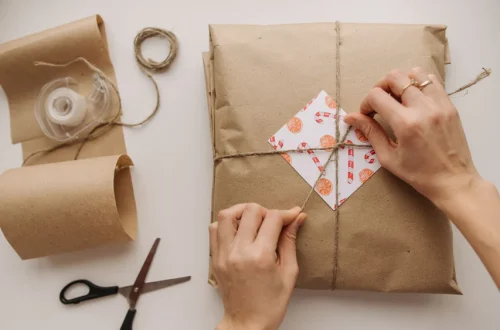
Thoughtful gifting has always felt closely connected to mindfulness for me. Making a gift with intention, care, and awareness turns the act of giving into something deeply personal. For mindful creators, gifting is not about speed or trends, but about presence and meaning. That mindset shapes every step, from the first idea to the moment the gift is shared.
I approach gifting as an extension of creative practice. The same awareness used in crafting, journaling, or slow making can guide how a gift is imagined and formed. Thoughtful gifting becomes a quiet conversation between creator and recipient. It reflects values, attention, and genuine care.
Letting Intention Guide the Creative Process
Every thoughtful gift I make begins with a clear intention. I decide what feeling or message the gift should carry before thinking about form. This intention becomes the anchor for the entire process. It keeps the creative work focused and grounded.
For mindful creators, intention shapes energy. A gift made with calm purpose feels different from one made in a rush. The recipient often senses that difference immediately. Intention gives the gift emotional direction and depth.
Creating With Presence Rather Than Pressure
Mindful gifting thrives on presence. I allow myself to slow down and be fully engaged while making a gift. This presence removes pressure to perform or impress. The process becomes enjoyable rather than stressful.
Working without pressure opens space for creativity. Ideas flow more naturally when expectations are softened. The gift reflects calm attention instead of urgency. That calm often becomes part of the gift’s emotional impact.
Using Simple Materials With Meaning
I gravitate toward simple materials because they allow meaning to stand out. Mindful creators often appreciate restraint and clarity. Simple materials invite focus on texture, form, and intention rather than excess. They encourage thoughtful use rather than accumulation.
Using fewer materials also encourages creativity. Each element must serve a purpose. This deliberate approach aligns with mindful values. The final gift feels intentional and honest.
Designing Gifts That Reflect Inner Values
Thoughtful gifts often reflect inner values such as balance, patience, or sustainability. I consider what values I share with the recipient. Those values influence design choices and presentation. The gift becomes a quiet expression of shared principles.
When values are reflected, the gift feels aligned rather than random. It resonates on a deeper level. Mindful creators often notice and appreciate this alignment. It strengthens connection through mutual understanding.
Turning the Making Process Into a Ritual
I treat the gift-making process as a ritual rather than a task. This might involve setting aside time, working in silence, or being intentional about each step. Ritual adds meaning to the act of creation. It transforms making into mindfulness.
Ritual creates emotional consistency. The care invested during creation transfers into the gift itself. The object carries the energy of focused attention. That subtle quality often makes the gift feel special.
Paying Attention to Subtle Preferences
Mindful gifting requires attentiveness to subtle preferences. I observe colors, textures, habits, and rhythms that resonate with the recipient. These details inform creative decisions. They help tailor the gift naturally.
Noticing subtle preferences shows respect and care. It demonstrates that attention has been paid over time. For mindful creators, these quiet observations often matter more than bold gestures. They make the gift feel personal and considered.
Allowing Silence to Inspire Ideas
Some of my best gift ideas come from moments of silence. Stepping away from noise allows intuition to surface. Silence creates space for reflection and clarity. It helps small, meaningful ideas emerge.
Mindful creators often value stillness. Gifts inspired by quiet moments tend to feel grounded. They carry simplicity and calm. That quality enhances their emotional resonance.
Making Gifts That Encourage Slow Use
I enjoy making gifts designed to be used slowly. These items invite pause rather than speed. Slow-use gifts align naturally with mindful living. They support presence in everyday moments.
When a gift encourages slowing down, it becomes part of a mindful routine. Each use reinforces intention. Over time, the gift becomes associated with calm and reflection. That lasting connection adds meaning.
Incorporating Natural and Sensory Elements
Natural elements often enhance mindful gifts. I like incorporating textures, scents, or forms inspired by nature. These elements ground the gift in sensory experience. They invite awareness and presence.
Sensory details deepen engagement. A gift that appeals gently to the senses encourages mindfulness. It brings attention to the present moment. This sensory connection strengthens emotional impact.
Letting the Gift Breathe Through Simplicity
Simplicity allows a gift to breathe. I avoid overcrowding designs or messages. Space gives the gift room to speak quietly. This restraint aligns with mindful creativity.
A simple design invites reflection rather than distraction. It allows the recipient to project their own meaning. That openness makes the gift more personal. Simplicity often enhances depth.
Including Gentle Words or Reflections
Words can support thoughtful gifting when used gently. I sometimes include short reflections, affirmations, or intentions. These words are not directives but invitations. They offer space for interpretation.
Gentle language respects the recipient’s inner world. It avoids overwhelming or instructing. For mindful creators, this subtlety matters. Words become companions rather than statements.
Designing Gifts That Support Balance
Many mindful creators value balance in daily life. I design gifts that support rest, focus, or creative flow. These gifts acknowledge the importance of equilibrium. They offer support rather than stimulation.
Balance-focused gifts show care for well-being. They reflect awareness of mental and emotional needs. Over time, these gifts often become part of self-care routines. That integration deepens their meaning.
Using Repetition to Build Familiarity
Repetition can be a mindful design choice. A recurring motif, color, or form creates familiarity. Familiarity brings comfort and ease. I sometimes revisit similar ideas across different gifts.
This repetition builds a sense of continuity. It reflects steady attention rather than novelty chasing. Mindful creators often appreciate this consistency. It reinforces trust and connection.
Respecting the Recipient’s Creative Space
When gifting to mindful creators, I respect their creative autonomy. I avoid gifts that dictate how they should be used. Instead, I offer open-ended possibilities. This respect matters deeply.
Open-ended gifts invite exploration. They allow the recipient to shape meaning. That freedom honors their creativity. The gift becomes a collaboration rather than a prescription.
Making Sustainability Part of the Message
Sustainability often aligns with mindful values. I consider longevity, reusability, and waste reduction. These considerations shape material and design choices. The gift reflects care for both people and environment.
A sustainable gift carries responsibility and respect. It shows awareness beyond the immediate moment. For mindful creators, this alignment adds depth. The gift feels ethically grounded.
Using Timing With Awareness
Timing plays a subtle role in thoughtful gifting. I pay attention to emotional and seasonal rhythms. Giving at the right moment enhances meaning. Awareness matters more than occasion.
Mindful timing feels intuitive rather than scheduled. It respects emotional context. The gift arrives when it is needed or appreciated most. That sensitivity strengthens impact.
Allowing the Gift to Evolve Over Time
Some gifts are designed to change with use. They may gather marks, memories, or additions. This evolution mirrors mindful growth. I find beauty in gifts that age naturally.
An evolving gift reflects ongoing relationship. It becomes richer through experience. Mindful creators often appreciate this organic change. It aligns with acceptance and impermanence.
Avoiding Excess Explanation
I keep explanations minimal and intentional. Over-explaining can disrupt the quiet nature of mindful gifts. I trust the recipient to feel meaning without instruction. Space invites interpretation.
This restraint shows confidence in the gift. It respects emotional intelligence. Meaning unfolds naturally rather than being imposed. That openness enhances connection.
Letting the Gift Reflect Calm Confidence
Thoughtful gifts for mindful creators benefit from calm confidence. I trust my creative instincts and avoid second-guessing. Confidence allows simplicity to stand on its own. It keeps the gift grounded.
A confident gift feels settled. It does not seek approval. That quiet assurance resonates emotionally. It reflects mindfulness in action.
Integrating the Gift Into Daily Life
I consider how the gift might fit into everyday routines. Thoughtful gifts often blend seamlessly into daily life. This integration makes them meaningful over time. They become companions rather than decorations.
Daily integration reinforces intention. Each interaction recalls the thought behind the gift. Over time, this repetition strengthens emotional connection. The gift becomes part of lived experience.
Closing Thoughts
Thoughtful gifting ideas for mindful creators grow from presence, intention, and respect. These gifts are shaped slowly and deliberately. I have found that mindfulness transforms gifting into an extension of creative practice. It deepens both the process and the outcome.
By focusing on simplicity, values, and awareness, gifts become more than objects. They become expressions of care and connection. Thoughtful gifting honors both giver and receiver. That shared mindfulness is what makes these gifts truly meaningful.