Small ideas often carry more potential than they first appear. I have learned that a memorable gift does not need to start with a grand concept or an expensive plan. It usually begins as a quiet thought, a simple moment, or a passing detail that sparks something meaningful. Turning those small ideas into gifts that people truly remember is about intention, not scale.
I focus on noticing moments that feel personal and authentic. A small idea becomes memorable when it connects emotionally with the person receiving it. That connection transforms simplicity into significance. The process is less about crafting perfection and more about shaping meaning.
Starting With One Clear Intention
Every memorable gift I have made started with one clear intention. I decide what I want the gift to express before thinking about what it will look like. This intention might be appreciation, comfort, celebration, or encouragement. Keeping that purpose in mind guides every creative choice.
A clear intention keeps the idea focused. It prevents overthinking or adding unnecessary elements. Even a small idea feels grounded when it serves a specific emotional purpose. That focus is what allows simplicity to feel powerful.
Paying Attention to Everyday Moments
Some of my best gift ideas come from ordinary moments. A casual conversation, a shared laugh, or a quiet habit can spark inspiration. These moments already hold meaning, which makes them perfect foundations for gifts. I simply give them form.
Paying attention requires presence. I listen more closely and observe without rushing. These small details often reveal what matters most to someone. Turning them into gifts feels natural and sincere.
Letting the Idea Stay Small
I resist the urge to expand every idea into something elaborate. Allowing an idea to stay small preserves its honesty. A simple concept often loses its charm when overcomplicated. I trust the idea as it is.
Keeping ideas small also makes them more personal. They feel approachable rather than performative. This restraint helps the gift feel genuine. Memorable gifts often whisper rather than shout.
Adding Personal Context
A small idea becomes memorable when it is clearly personal. I add context that explains why the gift exists. This might be a short note, a memory, or a reason tied to our relationship. Context gives meaning direction.
Without context, a gift can feel incomplete. With it, even the simplest item feels intentional. The recipient understands the thought behind it. That understanding deepens emotional impact.
Turning Observations Into Inspiration
Observations are powerful creative tools. I notice patterns in how people talk, relax, or express themselves. These patterns hint at what they value. Turning observations into inspiration keeps gifts relevant.
For example, noticing what comforts someone during stressful times can guide a thoughtful gift. Observations show attentiveness. That attentiveness is often what people remember most. It signals genuine care.
Using Memory as a Design Tool
Memory plays a central role in transforming small ideas into memorable gifts. I think about shared experiences and emotional moments. These memories shape the direction of the gift. They give it emotional depth.
Designing with memory in mind makes the gift feel rooted. It becomes more than an object. It becomes a reminder of a specific time or feeling. That emotional anchor makes the gift last.
Simplifying Without Losing Meaning
Simplifying a gift does not mean removing meaning. It means removing distractions. I focus on what truly matters and let go of excess. This clarity allows the core idea to shine.
Simplicity also makes gifts easier to receive emotionally. The message comes through clearly. There is no confusion about intention. Meaning becomes easier to feel and remember.
Using Words to Strengthen Small Ideas
Words have the power to elevate small ideas. I often include handwritten notes or short messages. These words explain the thought behind the gift. They turn an idea into an expression.
Writing clarifies intention for both giver and receiver. It adds emotional transparency. Over time, these words often become as meaningful as the gift itself. They preserve the original idea.
Allowing Emotion to Lead the Process
Emotion guides my creative decisions more than logic. If an idea feels emotionally right, I explore it further. That emotional response is often a sign of potential. It points toward meaning.
Letting emotion lead keeps the process authentic. It prevents gifts from feeling forced or calculated. Emotion connects the small idea to the recipient. That connection makes it memorable.
Turning Limitations Into Creative Strengths
Limitations often help small ideas grow stronger. Limited time, materials, or resources force focus. I work within those boundaries instead of fighting them. This constraint sharpens creativity.
Working with limitations keeps ideas grounded. It encourages thoughtful decisions rather than excess. The result feels intentional and honest. Constraints often enhance meaning rather than reduce it.
Building Meaning Through Repetition
Repetition can turn a small idea into something memorable over time. A recurring theme or gesture builds familiarity. I sometimes revisit similar ideas in different forms. This consistency adds depth.
Repeated ideas feel reliable and caring. They show thoughtfulness over time. The gift becomes part of a pattern rather than a single event. That continuity strengthens emotional impact.
Focusing on How the Gift Will Be Experienced
I think about how the gift will feel to receive and use. Experience matters more than appearance. A small idea becomes memorable when it creates a meaningful experience. That experience lingers.
Considering experience helps shape details. It influences timing, presentation, and interaction. A thoughtful experience amplifies the idea. It turns simplicity into something lasting.
Allowing Imperfection to Add Warmth
Imperfection often adds warmth to small ideas. Handmade elements feel human and approachable. I allow flaws to exist without correction. They reflect effort rather than error.
These imperfections make gifts feel real. They show that the gift was made, not manufactured. This honesty resonates emotionally. It adds character and authenticity.
Using Presentation to Elevate Simplicity
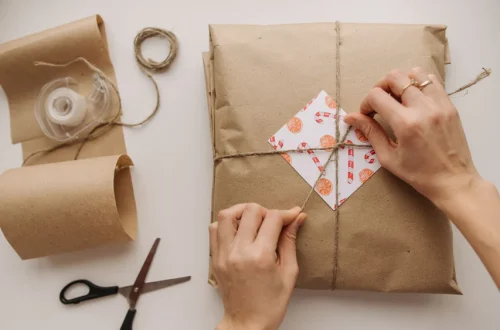
Presentation plays a key role in making small ideas memorable. A simple idea can feel special with thoughtful presentation. I pay attention to wrapping, timing, and delivery. These details matter.
Presentation sets the emotional tone. It prepares the recipient to receive the gift meaningfully. Even minimal presentation can feel intentional. That intention enhances memory.
Turning Function Into Meaning
Functional items can carry deep meaning when tied to a small idea. I focus on how the item fits into daily life. Adding a personal layer transforms function into emotion. The gift becomes part of routine.
Daily use reinforces memory. Each interaction recalls the thought behind the gift. Over time, the idea becomes woven into life. That integration makes it unforgettable.
Letting the Gift Invite Interaction
Interactive gifts turn small ideas into shared experiences. I enjoy gifts that involve participation. This might include reflection, response, or use over time. Interaction builds engagement.
When the recipient interacts with the gift, meaning grows. The gift evolves through use. That evolution deepens emotional connection. Interaction keeps the idea alive.
Using Timing to Enhance Impact
Timing can amplify a small idea. Giving a gift at the right moment adds emotional weight. I consider emotional context rather than calendar dates. This awareness matters.
Unexpected timing often makes small ideas stand out. It signals genuine thought rather than obligation. The moment becomes part of the memory. Timing transforms simplicity into significance.
Letting the Gift Reflect Growth
Some small ideas are tied to change or growth. I acknowledge progress, resilience, or new chapters. These gifts recognize personal journeys. Recognition adds meaning.
Gifts that reflect growth feel supportive. They validate effort and experience. Over time, they become markers of change. That recognition strengthens emotional bonds.
Avoiding Over-Explanation
While context matters, over-explaining can dilute meaning. I share just enough to guide understanding. Leaving space allows the recipient to interpret and feel. This balance matters.
Trusting the recipient’s emotional intelligence keeps the gift open-ended. It invites personal connection. Meaning feels shared rather than dictated. That openness enhances memory.
Trusting Small Ideas Completely
Trust is essential when working with small ideas. I commit fully rather than second-guessing. Confidence allows the idea to stand on its own. Doubt often leads to unnecessary additions.
Trusting the idea honors its simplicity. It respects its origin. When I trust the process, the gift feels cohesive. That cohesion makes it memorable.
Closing Thoughts on Turning Small Ideas Into Memorable Gifts
Turning small ideas into memorable gifts is about attention, intention, and trust. It does not require grand gestures or elaborate plans. I have found that meaning grows when ideas stay honest and personal. Small beginnings often lead to the strongest emotional connections.
Focusing on emotion, memory, and experience transforms simplicity into significance. Each small idea carries the potential to become something lasting. With care and intention, even the simplest thought can become a gift that is remembered for years. That is the quiet power of small ideas shaped with heart.