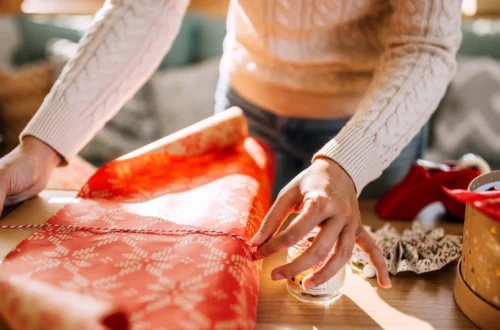
Custom gifts feel meaningful because they reflect effort and intention rather than equipment or expense. I focus on ideas that rely on creativity, patience, and observation instead of specialized tools. Many people hesitate to personalize gifts because they assume advanced gear is required. In reality, some of the most memorable custom gifts come together with items already sitting at home.
Making custom gifts without special tools shifts attention to the details that matter. It encourages thoughtful design, careful assembly, and personal insight. The process becomes more about problem-solving and less about perfection. That mindset leads to gifts that feel sincere and approachable.
Rethinking What Custom Really Means
Custom does not mean complex. I define custom as something shaped specifically for one person. That shape can be emotional, practical, or aesthetic.
A gift can be custom simply because it fits a routine or preference. Adjusting size, color, wording, or format already sets it apart. When I let go of the idea that customization requires machinery, the options expand quickly.
Using Everyday Supplies in Creative Ways
Most custom gifts start with ordinary supplies. Paper, fabric scraps, jars, string, cardboard, and basic stationery provide endless possibilities. I look at these items not for what they are, but for what they can become.
Scissors, glue, pens, and tape handle most tasks. Careful measuring and steady hands often matter more than specialized tools. The limitation forces creativity instead of restricting it.
Personalization Through Handwritten Elements
Handwriting adds instant personality. I use it often because it requires nothing beyond a pen and time. Handwritten notes, labels, or short messages turn ordinary items into keepsakes.
Writing does not need to be fancy. Clear, honest handwriting feels warmer than printed text. Even imperfect letters communicate care because they cannot be replicated.
Custom Gifts Built Around Folding and Layering
Paper folding and layering allow for structure without tools. I use folding to create pockets, envelopes, mini books, and decorative elements. Layering adds depth and visual interest using glue alone.
This approach works well for cards, journals, and wall art. By adjusting sizes and shapes, each piece becomes unique. Precision comes from patience rather than equipment.
Making Fabric Gifts Without Sewing Machines
Fabric customization does not require a sewing machine. I rely on hand stitching, fabric glue, or knotting techniques. Scarves, wraps, and simple bags can be assembled slowly and intentionally.
Cutting fabric carefully matters more than speed. Clean edges and consistent spacing make the finished item feel polished. Fabric choices alone often define the gift’s personality.
Customizing Containers and Packaging
Containers offer built-in structure. Jars, boxes, tins, and envelopes make excellent bases for custom gifts. I focus on decorating and filling them thoughtfully.
Labels, tags, and inserts personalize the container. The contents can be simple, but presentation elevates everything. A well-considered package often feels like the gift itself.
Using Color as a Custom Tool
Color selection personalizes instantly. I pay attention to what colors the recipient surrounds themselves with. Matching or complementing those tones creates familiarity.
Color blocking, simple patterns, or restrained palettes work well. Consistency matters more than complexity. Thoughtful color choices communicate attention without explanation.
Creating Custom Layouts by Hand
Layouts do not require design software. I sketch ideas lightly with pencil before committing. This helps balance spacing and alignment.
Rulers help keep lines straight, but even freehand layouts can look intentional when spaced evenly. Taking time to step back and adjust improves results. The layout sets the tone for the entire gift.
Making Textured Details Without Tools
Texture adds interest without machinery. I use layering, folding, tearing, or weaving techniques. These details engage the senses and make gifts feel crafted.
Textured paper, fabric, or natural materials add dimension. Combining smooth and rough elements creates contrast. Texture often makes simple gifts feel richer.
Custom Gifts Inspired by Daily Life
Daily routines inspire some of the easiest custom gifts. I think about how the gift will be used during an ordinary day. This ensures relevance.
Items tied to meals, workspaces, or rest periods integrate naturally. Customization here focuses on convenience and comfort. The gift feels thoughtful because it fits seamlessly.
Using Simple Templates Made by Hand
Templates save time and maintain consistency. I create them from cardboard or thick paper. These guides help cut multiple pieces evenly.
Handmade templates allow flexibility. Adjustments can be made easily without recalculating measurements. This method works well for repeated elements like tags or inserts.
Custom Gifts Built Through Assembly Rather Than Construction
Assembly focuses on combining pieces rather than building from scratch. I gather components and arrange them intentionally. This reduces the need for tools.
Assembled gifts often feel curated. Each piece contributes meaning. The whole becomes greater than its parts through thoughtful arrangement.
Adding Personal Meaning Through Symbols
Symbols communicate personal meaning quietly. I use shapes, icons, or motifs tied to shared experiences. These references feel intimate without explanation.
Symbols work well when subtle. They allow the recipient to interpret meaning privately. That discretion makes the gift feel respectful and personal.
Making Custom Gifts With Time Instead of Tools
Time replaces tools in many cases. Careful planning, slow assembly, and attention to detail elevate simple materials. Rushing often causes flaws.
Spending extra time aligning edges or refining details improves quality. Time investment becomes visible in the final result. That effort reads as care.
Using Found Objects Thoughtfully
Found objects bring uniqueness naturally. I collect items like stones, leaves, or reclaimed materials. Each piece carries inherent variation.
Cleaning and arranging found objects thoughtfully matters. Their uniqueness becomes part of the story. No two gifts end up the same.
Custom Gifts That Rely on Arrangement
Arrangement transforms ordinary items. I focus on spacing, balance, and flow. These principles guide placement.
A well-arranged gift feels intentional. Negative space matters as much as decoration. Simplicity allows the arrangement to shine.
Creating Custom Text Without Printing
Hand lettering replaces printing easily. I practice lightly before finalizing. This reduces errors and improves confidence.
Simple lettering styles work best. Consistency matters more than flair. Handwritten text reinforces the handmade quality.
Using Repetition to Create Cohesion
Repetition creates unity. I repeat shapes, colors, or materials throughout the gift. This consistency ties everything together.
Cohesion makes gifts feel designed rather than assembled. It also helps guide creative decisions. Repetition provides structure without rigidity.
Custom Gifts That Feel Finished Without Polishing
A gift feels finished when edges are clean and elements secure. I focus on trimming excess glue and aligning parts. These small steps matter.
Finishing does not require polishing tools. Careful inspection catches small issues. A tidy final presentation improves perception dramatically.
Avoiding Common Tool-Related Assumptions
Many people assume special tools guarantee quality. I have found the opposite often true. Tools help efficiency, not meaning.
Without tools, creativity adapts. Solutions become inventive rather than technical. That adaptability shows in the gift’s character.
Making Custom Gifts for Different Skill Levels
Custom gifts scale easily. Beginners can personalize through color and text. More experienced crafters can add layers and structure.
Skill level affects technique, not intention. Thoughtfulness remains the constant. Customization belongs to everyone, not just experts.
Why Simplicity Strengthens Customization
Simple designs leave room for meaning. Overcomplication can hide the personal element. I aim for clarity.
Simplicity highlights the custom aspects. It lets the recipient focus on what matters. That focus strengthens emotional impact.
Custom Gifts That Encourage Interaction
Some gifts invite participation. I like including prompts, spaces to write, or modular elements. These features extend personalization beyond the maker.
Interactive gifts grow over time. They evolve with use. That evolution adds uniqueness naturally.
Presentation Without Special Supplies
Presentation relies on care rather than materials. Clean wrapping, aligned tags, and thoughtful notes matter. I use what I have thoughtfully.
Reusable packaging adds value. Simple knots or folds replace decorative hardware. Presentation completes the gift.
Final Thoughts
Making custom gifts without special tools proves that meaning does not depend on equipment. Creativity, patience, and attention shape the outcome. These elements cost nothing yet add immense value.
Custom gifts succeed when they reflect the recipient and the maker’s care. Tools may help speed the process, but they are never required for sincerity. With intention and imagination, truly personal gifts remain accessible to anyone.