Creative ways to personalize simple DIY gifts have become my favorite approach to gift giving because they turn modest materials into meaningful expressions. Simple gifts feel more honest when they carry personal touches that reflect real thought and care. I enjoy how personalization shifts attention away from how much something costs and places it firmly on intention. That shift often makes the gift far more memorable.
Working with simple DIY gifts also removes unnecessary pressure. I can focus on details, memories, and small creative decisions instead of chasing perfection. Personalization allows even the most basic item to tell a story. That storytelling element is what keeps handmade gifts feeling special.
Why Simple Gifts Benefit Most From Personalization
Simple gifts provide a clean canvas that allows personalization to shine. Without excessive decoration or complexity, personal details become the focal point. Names, memories, textures, and colors all stand out more clearly. That clarity strengthens emotional impact.
I find that simple gifts feel more approachable for both the maker and the recipient. They do not overwhelm with excess. Instead, they invite attention to meaning. Personalization gives them depth without clutter.
Starting With Meaning Instead Of Materials
I begin most projects by thinking about meaning rather than supplies. The person, the relationship, and the occasion guide my ideas. Materials come later and often reveal themselves naturally. This approach keeps the process intentional.
Starting with meaning prevents overcomplication. It keeps the focus on connection rather than decoration. Each creative choice serves a purpose. That purpose is what personalization is all about.
Using Names In Unexpected Ways
Names do not always need to be displayed boldly. I like integrating them subtly into designs. Initials hidden in patterns or names worked into illustrations feel thoughtful. This approach adds intimacy.
Subtle name placement often feels more refined. The recipient notices it gradually. That discovery makes the gift more engaging. Personalization becomes an experience rather than an announcement.
Handwritten Details That Add Character
Handwritten elements instantly make a gift feel personal. I enjoy adding handwritten notes, captions, or small messages. These details cannot be replicated by machines. They signal presence and effort.
Writing slowly and deliberately improves clarity. Slight imperfections add warmth rather than distraction. Handwriting reminds the recipient that the gift passed through human hands. That reminder adds emotional value.
Playing With Color To Reflect Personality
Color communicates personality quickly and effectively. I often personalize gifts by choosing colors tied to memories or preferences. A favorite shade can say more than words. Color becomes a personal language.
Using limited palettes keeps designs balanced. Too many colors can dilute meaning. Thoughtful color choices feel intentional. They quietly reinforce connection.
Texture As A Personalization Tool
Texture adds dimension that visuals alone cannot achieve. Fabric choices, paper finishes, or layered materials all contribute to personalization. I like using textures that match the recipient’s style or habits. The physical feel becomes part of the experience.
Touch creates connection in subtle ways. A textured surface invites interaction. That interaction deepens engagement with the gift. Texture makes personalization tangible.
Adding Dates Without Overpowering Design
Dates carry emotional weight, but they do not need to dominate the design. I prefer placing dates in small, intentional locations. Corners, edges, or secondary layers work well. The date becomes a quiet anchor.
Minimal presentation keeps the focus balanced. The date supports the story rather than telling it alone. This subtlety feels elegant. Personalization remains refined.
Incorporating Shared Memories Creatively
Shared memories provide endless inspiration. I enjoy referencing moments through symbols or imagery rather than literal descriptions. A place, object, or phrase can trigger memory instantly. That indirect approach feels intimate.
These references often mean more because they require shared knowledge. The recipient recognizes the meaning without explanation. That recognition strengthens connection. Personalization feels exclusive.
Simple Packaging As Part Of The Gift
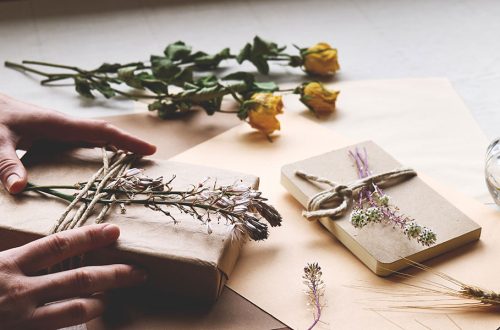
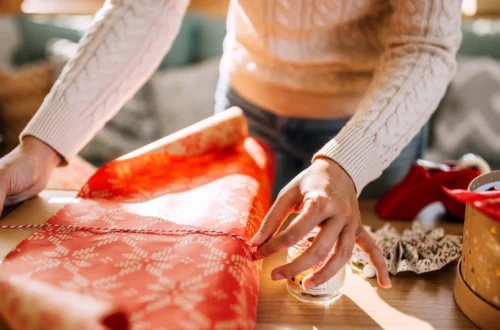
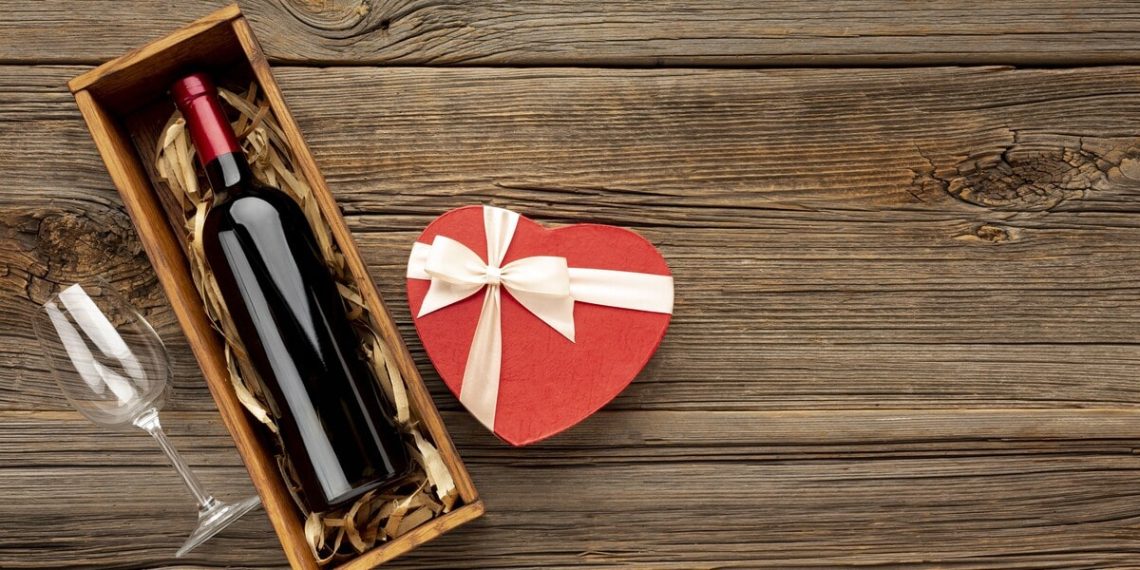
Packaging offers another opportunity for personalization. I like treating wrapping as an extension of the gift. Handwritten tags, custom labels, or decorated boxes add depth. The presentation sets the tone.
Thoughtful packaging shows effort before the gift is even opened. It builds anticipation. Simple materials work best when styled intentionally. Packaging becomes part of the experience.
Functional Gifts Made Personal
Functional gifts gain emotional value through personalization. Items like notebooks, containers, or organizers feel special when customized. I focus on details that align with daily habits. The gift integrates into routine.
Personalization turns usefulness into comfort. The recipient associates the item with care. That repeated interaction reinforces meaning. Function and sentiment coexist naturally.
Using Quotes And Phrases Carefully
Words carry power when used sparingly. I like choosing phrases that feel authentic rather than generic. A short line can capture emotion effectively. Less often says more.
Placement matters as much as wording. I position text where it feels intentional. This restraint prevents visual overload. Words enhance rather than dominate.
Layering Simple Elements For Depth
Layering creates visual interest without complexity. I combine paper, fabric, or textures in subtle ways. Each layer adds meaning rather than decoration. The gift feels dimensional.
Layering also allows storytelling. Each element contributes to the whole. The recipient notices details gradually. Personalization unfolds over time.
Repurposing Materials With Personal Meaning
Repurposed materials often carry hidden stories. I enjoy transforming items connected to shared experiences. Old fabric, paper, or objects gain new life. That transformation adds emotional depth.
Using meaningful materials shows creativity and care. It also reflects sustainability. The past becomes part of the present gift. Personalization gains history.
Balancing Creativity With Restraint
Restraint keeps personalization from becoming overwhelming. I remind myself that not every idea needs to be included. Space allows meaning to breathe. Simplicity sharpens focus.
Creative decisions should support the message. Removing excess strengthens clarity. The gift feels intentional. Personalization becomes refined rather than busy.
Personalization Through Symbols And Icons
Symbols communicate quickly and emotionally. I enjoy using icons that represent shared interests or memories. These visual shortcuts feel intimate. They speak quietly.
Symbols often feel timeless. They age well and adapt to different styles. Personalization remains subtle. Meaning stays intact.
Using Scent And Sensory Details
Sensory elements add another layer of personalization. Scented items, textures, or sounds can trigger memory. I use these details thoughtfully. They enhance experience rather than distract.
Sensory personalization feels immersive. It engages more than one sense. That engagement strengthens emotional connection. Simple gifts feel richer.
Gifts That Encourage Interaction
Interactive gifts invite participation. I enjoy projects that require engagement over time. Filling pages, adding notes, or updating elements keeps the gift alive. Personalization continues.
This approach extends the gift’s lifespan. It evolves alongside the relationship. Effort remains visible beyond the moment of giving. Interaction deepens meaning.
Matching Personalization To The Occasion
Occasion influences tone and style. I adjust personalization accordingly. Celebratory moments feel different from reflective ones. The gift should match emotional context.
Adapting personalization shows awareness. It prevents mismatch. The recipient feels understood. That understanding strengthens connection.
Making Personalization Feel Natural
Personalization should feel effortless, even if it required effort. Forced details can feel awkward. I aim for natural integration. The gift should feel cohesive.
Natural personalization blends seamlessly. Nothing feels added last-minute. The gift feels complete. Meaning flows naturally.
Avoiding Overused Personalization Trends
Trends fade quickly and can weaken longevity. I avoid personalization that feels dated. Classic approaches age better. Timelessness matters.
Focusing on relationship rather than trend preserves meaning. The gift remains relevant. Personalization stays sincere. Longevity adds value.
Letting Emotion Guide Creative Decisions
Emotion guides my best projects. Logic matters, but feeling leads. If something feels right emotionally, it usually works. Trusting intuition helps.
Emotion connects creator and recipient. The gift carries that energy. Personalization becomes expressive. Effort feels genuine.
Final Thoughts On Creative Ways to Personalize Simple DIY Gifts
Creative ways to personalize simple DIY gifts transform modest projects into meaningful expressions. Personalization adds depth, emotion, and connection without complexity. Simple materials become powerful through intention. That power makes handmade gifts unforgettable.
I continue exploring creative ways to personalize simple DIY gifts because they align with how I value relationships. Each project becomes a conversation rather than an object. Personalization turns giving into connection. That connection is what truly matters.