Gifting has always felt more powerful to me when it goes beyond the exchange itself. A meaningful gift carries emotion, memory, and intention, turning a simple moment into something lasting. I focus on how a gift makes someone feel rather than how impressive it looks. That shift has completely changed how I approach giving, especially with DIY and personalized ideas.
Making gifting more meaningful does not require expensive materials or advanced skills. It requires attention, presence, and a willingness to think about the person receiving the gift. Small choices can turn an ordinary item into something unforgettable. These creative approaches have helped me give gifts that stay in people’s hearts long after the occasion ends.
Shifting Focus From Objects to Emotions
The most meaningful gifts I have given started with emotion rather than an item. I ask myself what I want the recipient to feel when they open the gift. That question guides every decision that follows. It keeps the focus on connection instead of consumption.
When emotion leads the process, the gift naturally becomes more personal. It may reflect gratitude, encouragement, nostalgia, or celebration. Even simple items can carry deep meaning when they are tied to a specific feeling. This approach transforms gifting into an act of communication rather than obligation.
Paying Attention to Small Personal Details
Noticing small details about someone’s life has made my gifting far more thoughtful. These details might include habits, preferences, memories, or offhand comments they made months ago. Remembering these moments shows care in a way no generic gift ever could. It tells the recipient they are truly seen.
I often keep mental notes of things people mention casually. A favorite color, a comfort routine, or a dream they shared can inspire a deeply personal gift. These details guide the design and intention behind what I make. The result feels natural and heartfelt instead of forced.
Telling a Story Through the Gift
One of my favorite creative approaches is turning a gift into a story. This might mean including a note that explains why I chose it or how it connects to our shared experiences. Storytelling adds depth and context to even the simplest item. It transforms the gift into a narrative rather than a transaction.
A gift with a story invites reflection and memory. It gives the recipient something to revisit emotionally. Over time, that story becomes part of the object itself. This technique consistently makes gifts more memorable and meaningful.
Making Time Part of the Gift
Time is one of the most valuable things I can offer, which is why I often incorporate it into my gifts. This might mean planning an experience, setting aside dedicated moments, or creating something that unfolds over time. The gift becomes more than an object; it becomes a shared commitment.
Including time shows priority and care. It communicates that the relationship matters enough to invest presence. Experiences created this way often outlast physical gifts in memory. They deepen bonds through shared moments rather than material value.
Adding Handwritten Elements
Handwritten elements instantly elevate the emotional value of a gift. Writing by hand slows me down and makes every word intentional. Whether it is a letter, a tag, or a few lines tucked inside the package, handwriting adds warmth. It feels personal in a way typed words rarely do.
These handwritten touches often become keepsakes themselves. People save notes long after the gift is gone. The physical evidence of effort and thought leaves a lasting impression. This simple addition consistently makes gifting more meaningful.
Designing Gifts Around Shared Memories
Shared memories are a powerful foundation for meaningful gifts. I enjoy revisiting moments that shaped the relationship and finding creative ways to honor them. This could involve photos, symbols, or references that only the two of us fully understand. That exclusivity strengthens the emotional connection.
Using shared memories also reinforces the history behind the relationship. It reminds both of us how far we have come together. Gifts rooted in shared experiences feel intimate and sincere. They celebrate the past while strengthening the present.
Making the Process Visible
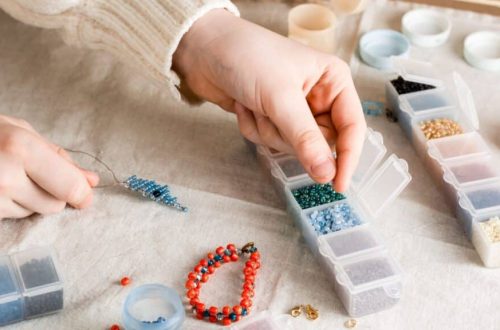
Sometimes the meaning of a gift lies in the effort behind it. I have found value in letting the recipient see part of the process. This might mean sharing how I made it or what inspired each step. Transparency adds appreciation and understanding.
Seeing the process humanizes the gift. It shows that time and thought were invested intentionally. This visibility often deepens gratitude and emotional response. The gift becomes a reflection of effort, not just outcome.
Personalizing Everyday Items
Turning everyday items into personalized gifts has become one of my favorite creative strategies. Ordinary objects feel extraordinary when tailored to the recipient. This might involve customization, modification, or pairing with a meaningful message. The familiarity of the item makes it practical, while personalization makes it special.
These gifts integrate seamlessly into daily life. Each use becomes a reminder of the relationship behind the gift. Over time, that repetition strengthens emotional attachment. The gift becomes part of the recipient’s routine and memories.
Creating Gifts That Encourage Reflection
Some of the most meaningful gifts I have given encourage reflection and self-expression. Journals, prompts, or memory-based items invite the recipient to pause and look inward. These gifts support growth rather than consumption. They offer value long after the moment of giving.
Encouraging reflection shows care for the recipient’s inner world. It signals support for their thoughts, feelings, and journey. Gifts like these often become deeply personal possessions. Their meaning grows as the recipient engages with them over time.
Building Anticipation Into the Gift
Anticipation can be a powerful emotional tool. I sometimes design gifts that unfold gradually rather than all at once. This might involve multiple parts, timed messages, or future moments. The experience extends beyond a single day.
Building anticipation adds excitement and curiosity. It keeps the emotional connection active over time. Each new element reinforces the meaning behind the gift. This creative approach turns gifting into an ongoing experience.
Letting Imperfection Add Character
I no longer aim for perfect results when making gifts. Small imperfections add authenticity and character. They remind the recipient that the gift was made by a real person with care. This honesty often makes the gift feel more intimate.
Imperfection also reduces pressure and allows creativity to flow. The focus stays on intention rather than execution. People tend to connect more with sincerity than polish. This mindset has made my gifts more meaningful and enjoyable to create.
Aligning Gifts With Values
Aligning a gift with shared values adds depth and significance. This might involve sustainability, creativity, kindness, or personal growth. When a gift reflects values, it feels purposeful rather than random. It communicates respect and understanding.
Value-aligned gifts often spark meaningful conversations. They reinforce what matters most in the relationship. Over time, these gifts become symbols of shared beliefs. That alignment strengthens emotional connection.
Using Rituals to Enhance Meaning
Rituals give structure and intention to gifting moments. I sometimes pair gifts with a specific ritual or tradition. This could be a repeated activity, a shared phrase, or a symbolic gesture. Rituals turn gifting into a meaningful practice rather than an event.
Repeating rituals builds emotional continuity. Each time the ritual occurs, it reinforces the bond. The gift becomes part of something larger than itself. This creative use of ritual adds lasting significance.
Focusing on How the Gift Is Given
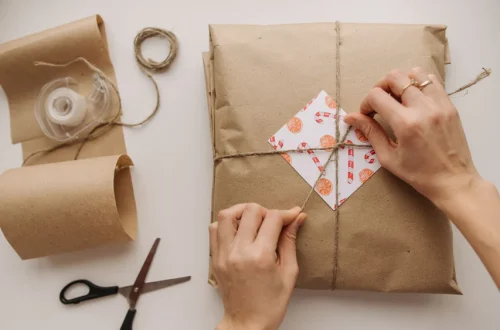
How a gift is presented can matter as much as the gift itself. I pay attention to timing, setting, and delivery. A thoughtful presentation enhances emotional impact. It shows care from start to finish.
The moment of giving becomes part of the memory. A calm, intentional exchange feels different from a rushed handoff. These details shape how the gift is remembered. Presentation turns gifting into an experience.
Inviting Participation From the Recipient
Some of the most meaningful gifts invite the recipient to participate. This might involve completing, using, or adding to the gift over time. Participation creates ownership and engagement. The gift becomes collaborative rather than passive.
This approach also strengthens connection through interaction. The recipient becomes part of the creative process. That shared involvement deepens emotional attachment. The gift evolves through use and participation.
Giving With No Occasion Attached
Occasion-free gifts often feel especially meaningful. Giving without a specific reason removes obligation and expectation. It communicates genuine care rather than social requirement. These moments often leave the strongest impressions.
Unexpected gifts feel spontaneous and sincere. They disrupt routine in a positive way. The lack of occasion makes the gesture stand out. This creative timing adds emotional weight.
Letting the Gift Reflect Growth
I sometimes design gifts that acknowledge growth or change. This might celebrate progress, resilience, or new chapters. Recognizing growth shows attentiveness and respect. It honors the journey rather than just the milestone.
Gifts like these validate effort and experience. They make the recipient feel seen and supported. Over time, they become markers of personal evolution. That recognition adds deep emotional value.
Creating Space for Meaningful Conversation
Some gifts are designed to open conversation rather than close it. I enjoy giving items that prompt sharing, reflection, or storytelling. These gifts act as catalysts for connection. They invite dialogue and vulnerability.
Conversation-centered gifts strengthen relationships through communication. They create opportunities for deeper understanding. The gift becomes a bridge rather than an endpoint. This approach consistently enhances meaning.
Closing Thoughts on Meaningful Gifting
Creative ways to make gifting more meaningful begin with intention and attention. The most powerful gifts reflect care, presence, and understanding rather than cost or complexity. I have learned that meaning grows when gifting becomes personal and thoughtful. These creative approaches have transformed how I give and how my gifts are received.
Focusing on emotion, story, and connection turns gifting into an act of relationship-building. Each gift becomes a reminder of shared experiences and mutual care. Meaningful gifting does not require perfection, only sincerity. That sincerity is what makes a gift truly unforgettable.