Personalized DIY gifts stand apart because they reflect attention rather than effort alone. I focus on gifts that quietly say, “I thought about you,” without spelling it out. The difference between a generic handmade item and a truly one-of-a-kind gift often comes down to small, deliberate details. Those details turn simple materials into something that feels deeply personal.
A gift does not need complexity to feel meaningful. What matters is how well it connects to the recipient’s personality, habits, or memories. I approach personalization as a form of listening made visible, using creativity as the language. The result is a gift that cannot be replicated because it belongs to one person and one story.
What Makes a DIY Gift Feel Truly Personal
A personalized gift feels personal when it reflects familiarity. I think about daily routines, favorite colors, inside jokes, and subtle preferences. These cues guide the design far more than trends or tutorials ever could. The goal is recognition, not novelty.
True personalization avoids obvious labels. Names and dates can work, but I often prefer quieter signals like textures, themes, or references. When a gift feels like it naturally fits into someone’s life, it carries a sense of belonging. That sense is what makes it feel one-of-a-kind.
Starting With the Person, Not the Project
I begin each personalized gift by thinking about the person before the craft. I picture how they will use the item and where it will live. This helps me avoid making something decorative that never finds a place. A gift should feel invited into their space.
This approach keeps personalization intentional. Instead of adapting a project to a person, I adapt the idea itself. The result feels tailored rather than modified. That distinction matters more than it seems.
Subtle Personalization Through Color and Texture
Color is one of the easiest ways to personalize without overwhelming. I pay attention to what colors someone wears, decorates with, or gravitates toward. Incorporating those tones makes a gift feel familiar from the start.
Texture adds another layer of individuality. Smooth, rough, soft, or structured materials create different emotional responses. Matching texture to personality gives the gift depth without explanation. These choices often go unnoticed consciously, yet they shape how the gift is received.
Personalized Gifts Built Around Daily Habits
Gifts tied to daily habits tend to feel especially thoughtful. I enjoy creating items that enhance routines rather than disrupt them. These gifts become part of everyday life, which deepens their meaning over time.
For someone who loves morning coffee, a customized mug sleeve or stir stick feels more personal than a decorative object. For someone who journals, a handmade notebook with a tailored layout fits naturally. Habit-based personalization ensures the gift feels useful and intentional.
Memory-Based DIY Gifts With Emotional Weight
Memories provide rich material for personalization. I use shared experiences, milestones, or meaningful places as inspiration. These gifts feel layered because they hold stories beneath the surface.
Memory-based gifts work best when they are understated. A framed map detail, a color palette inspired by a trip, or a symbol tied to a moment carries meaning without needing explanation. The emotional weight stays private and powerful.
Personalized Home Items That Blend In
Home items make excellent personalized gifts when they blend seamlessly into existing decor. I avoid bold statements unless I know the recipient enjoys them. Instead, I aim for harmony.
Custom storage pieces, soft furnishings, or small functional decor items work well here. Personalization appears in scale, proportion, or subtle motifs. These gifts feel thoughtfully placed rather than attention-seeking.
Handmade Gifts That Reflect Personality Types
Personality plays a huge role in how personalization lands. I think about whether someone is practical, sentimental, playful, or minimalist. Tailoring the tone of the gift ensures it feels aligned.
A playful person might appreciate humor or color, while a reserved person may prefer simplicity and refinement. Matching the energy of the gift to the recipient’s personality makes it feel intuitive. That intuitive fit is what makes the gift memorable.
One-of-a-Kind Gifts Through Custom Function
Function itself can be personalized. I like adjusting size, layout, or features based on how someone actually uses an item. This type of customization feels thoughtful and often goes unnoticed until the gift is used.
A desk organizer designed around specific tools or a bag with pockets placed for convenience shows care in design. These details suggest attention beyond aesthetics. Functional personalization creates a quiet sense of being understood.
Personalized Gifts That Evolve Over Time
Some of my favorite personalized gifts are designed to change. I enjoy making items that can grow with the recipient. This approach adds longevity and meaning.
Memory books, refillable containers, or modular pieces allow for ongoing interaction. The gift becomes part of a longer story rather than a finished statement. That evolving nature makes it feel alive and personal.
Handmade Gifts Inspired by Shared Interests
Shared interests provide an easy entry point for personalization. I often draw inspiration from hobbies, passions, or routines we have discussed casually. These details make the gift feel conversational.
A gift inspired by a favorite genre, activity, or aesthetic feels validating. It says the interest was noticed and valued. That recognition often matters more than the object itself.
Personalized DIY Gifts That Avoid Overexposure
Too much personalization can feel intrusive. I am careful not to cross into territory that feels overly intimate or permanent unless appropriate. Balance keeps the gift comfortable.
Leaving room for interpretation allows the recipient to connect on their own terms. A gift should invite engagement, not demand it. Restraint often strengthens personalization rather than weakening it.
Making Personalization Feel Natural, Not Forced
Forced personalization stands out in the wrong way. I avoid obvious markers unless they serve a purpose. Instead, I aim for personalization that feels organic.
Natural personalization blends into the design. It feels like the item could not exist any other way. That seamless quality makes the gift feel intentional rather than customized after the fact.
Personalized Gifts That Support Emotional Wellbeing
Some personalized gifts offer comfort without drawing attention to vulnerability. I like making items that quietly support emotional wellbeing. These gifts feel gentle and reassuring.
Soft textures, calming colors, or familiar routines provide emotional grounding. Personalization here lies in sensitivity rather than specificity. The gift becomes a source of comfort rather than conversation.
Handmade Keepsakes With Modern Appeal
Keepsakes often risk feeling outdated. I focus on modern design to keep them relevant. Clean lines and restrained details help sentimental items feel current.
Modern keepsakes fit easily into contemporary spaces. They allow sentiment to exist without nostalgia overwhelming the design. This balance helps the gift age gracefully.
Personalized Gifts That Encourage Creativity
Some gifts feel personal because they invite self-expression. I enjoy making items that give the recipient room to create. These gifts feel collaborative rather than finished.
Art kits, customizable planners, or adaptable storage allow personalization to continue. The gift becomes a starting point rather than an endpoint. This openness adds uniqueness over time.
Thoughtful Personalization for Different Relationships
The level of personalization depends on the relationship. I consider context carefully. A gift for a close friend differs from one for a colleague.
Adjusting tone and depth ensures the gift feels appropriate. Thoughtful boundaries prevent discomfort. Respectful personalization strengthens connections rather than complicating them.
Why One-of-a-Kind Matters More Than Perfect
Perfection is not what makes a gift special. Small imperfections often highlight the handmade nature. I embrace those details as part of the story.
A one-of-a-kind gift carries evidence of care. That evidence matters more than polish. Authenticity resonates more deeply than flawless execution.
Avoiding Trends That Dilute Personal Meaning
Trends can be helpful, but I avoid letting them dictate personalization. A gift should reflect the recipient, not the moment. Trend-heavy designs risk feeling dated quickly.
Timeless elements provide a stronger foundation. Personal meaning outlasts popularity. That longevity enhances the gift’s value over time.
Personalized Packaging That Completes the Gift
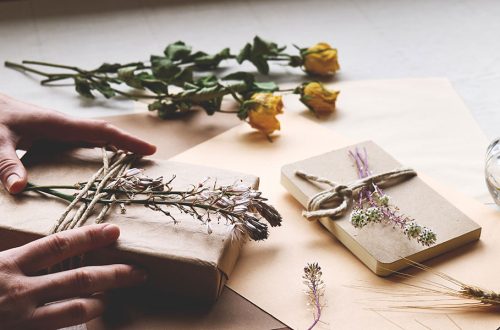
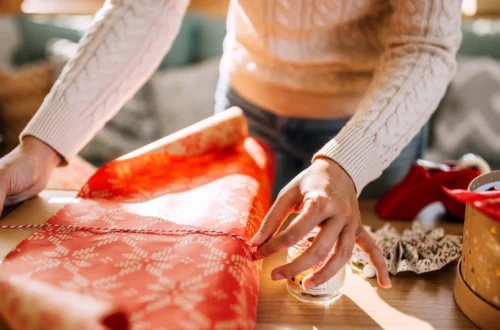
Presentation reinforces personalization. I match packaging style to the gift and recipient. This final touch sets the tone before the gift is even opened.
Reusable or minimal packaging feels intentional. A short handwritten note often adds more meaning than decorative excess. The packaging should support the gift, not overshadow it.
Listening as the Foundation of Personalization
The best personalization starts with listening. I pay attention to offhand comments and preferences. These moments guide better gift ideas than assumptions ever could.
Listening turns personalization into a response rather than a guess. The gift feels earned rather than manufactured. That authenticity cannot be faked.
Personalized DIY Gifts That Feel Respectful
Respect is central to meaningful personalization. I aim to honor the recipient’s space, taste, and values. A respectful gift fits without friction.
This mindset prevents personalization from becoming intrusive. The gift feels considerate rather than overwhelming. Respect allows personalization to feel welcome.
Final Thoughts
Personalized DIY gifts that feel truly one-of-a-kind succeed because they prioritize people over projects. They reflect attention, care, and quiet intention rather than effort alone. These gifts do not announce their meaning, they reveal it over time.
By focusing on subtle details, thoughtful design, and genuine listening, personalization becomes natural. The result is a gift that feels irreplaceable not because of what it is, but because of who it is for.