Gift ideas that feel more personal than store-bought have always mattered to me because they reflect effort, attention, and genuine care. A store shelf can offer convenience, but it rarely captures the depth of a relationship or the nuance of shared history. I have found that personal gifts are not about impressing someone with price or polish. They are about showing that the recipient was truly considered.
Personal gifts feel different from the moment they are received. They carry a sense of intention that cannot be replicated by something picked up quickly. The following ideas and approaches focus on creating gifts that feel thoughtful, sincere, and emotionally grounded rather than transactional.
Starting With the Person, Not the Occasion
The most personal gifts always begin with the person rather than the event. Instead of asking what kind of gift fits a birthday or holiday, I focus on who the recipient is right now. Their interests, habits, and emotional state provide far more inspiration than any calendar date. This shift immediately makes the gift feel more relevant.
When I start with the person, ideas feel clearer and more natural. The gift becomes a response to who they are rather than an obligation tied to an occasion. That personal focus sets the tone for everything that follows.
Gifts Inspired by Shared Memories
Shared memories are one of the strongest foundations for personal gifting. Moments spent together carry emotional weight that no store-bought item can replicate. I often reflect on trips, conversations, or small moments that shaped the relationship. Those memories naturally guide creative decisions.
Turning memories into gifts feels intimate and sincere. The gift becomes a reminder of something meaningful rather than an object alone. That emotional connection makes it deeply personal.
Handwritten Elements That Add Warmth
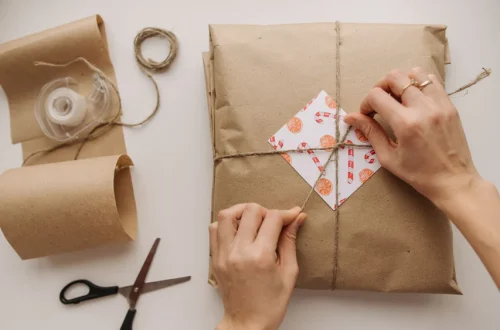
Handwritten elements instantly make a gift feel more personal. Notes, letters, or handwritten labels carry personality and presence. I enjoy including handwritten touches even in simple projects because they add warmth. The imperfections make them feel human.
Writing by hand slows the process and adds intention. The recipient can feel that effort immediately. That tactile connection sets personal gifts apart.
Everyday Items Made Personal
Practical items can feel incredibly personal when customized thoughtfully. I enjoy turning everyday objects into meaningful gifts by adding personal details. A mug, notebook, or small container becomes special when it reflects the recipient’s preferences. These gifts integrate into daily life.
Personalized everyday items offer ongoing reminders of connection. Each use reinforces the relationship. That consistency makes them more meaningful than decorative items.
Gifts Based on Listening
Listening is one of the most powerful tools for personal gifting. Casual comments often reveal what someone values or needs. I pay attention to repeated mentions or emotional reactions. Those clues guide gift ideas naturally.
Gifts inspired by listening feel effortless because they align with reality. They show attentiveness and care. That recognition makes the gift feel deeply personal.
Memory-Based Projects With Emotional Depth
Memory-based projects do not require expensive materials to feel valuable. Photos, notes, or shared experiences already carry meaning. I enjoy transforming them into tangible forms like small books or keepsake collections. These projects focus on emotional content.
The act of preserving memories shows thoughtfulness. It honors the past while strengthening connection. That depth cannot be found in store-bought gifts.
Personal Gifts That Reflect Personality
Personality-driven gifts feel authentic and lasting. I consider how the recipient expresses themselves through style, humor, or routines. Those traits guide creative choices. This approach avoids generic results.
When a gift reflects personality, it feels seen rather than assigned. It acknowledges individuality. That recognition makes the gift special.
Comfort-Focused Gifts That Show Care
Comfort gifts often feel more personal than decorative ones. Items meant to soothe or support communicate empathy. I enjoy creating gifts that offer calm or reassurance during stressful times. These projects feel nurturing.
Care-centered gifts show emotional awareness. They reflect concern rather than obligation. That sensitivity makes them deeply meaningful.
Written Gifts That Capture Emotion
Written gifts are among the most personal items I create. Letters, journals, or collections of messages allow honesty to shine. They capture emotions that objects alone cannot express. These gifts feel vulnerable in a positive way.
Words written with intention age beautifully. They become keepsakes rather than temporary items. That lasting presence adds value.
Gifts That Celebrate Small Details
Small details often make the biggest difference. Inside jokes, favorite phrases, or subtle references instantly personalize a gift. I enjoy including details that only the recipient would recognize. These touches show familiarity.
Personal details communicate closeness. They transform simple items into meaningful symbols. That intimacy sets personal gifts apart.
Handmade Gifts Carry Presence
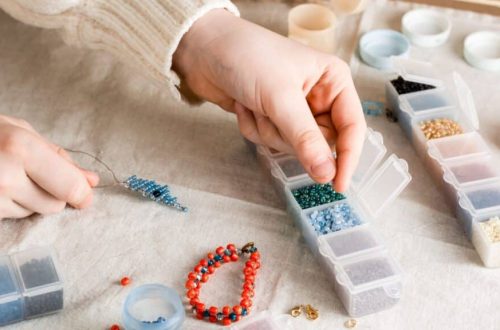
Handmade gifts naturally feel more personal because they carry the maker’s presence. Time, focus, and care are embedded in the process. I find that recipients often sense this without explanation. The gift feels grounded.
Presence cannot be purchased. It comes from attention and effort. That quality gives handmade gifts emotional weight.
Gifts That Fit Into Daily Routines
Gifts that fit seamlessly into daily routines feel thoughtful and intentional. I consider how the recipient spends their time and what might enhance those moments. A gift that becomes part of daily life feels personal. It shows understanding.
Routine-based gifts create ongoing connection. They become part of everyday experiences. That integration strengthens emotional impact.
Humor That Feels Personal
Humor is deeply personal, which makes it ideal for meaningful gifting. Inside jokes or playful references reflect shared understanding. I enjoy making humorous gifts because they celebrate closeness. Laughter strengthens bonds.
Personal humor feels intimate rather than generic. It shows familiarity and comfort. That shared laughter adds warmth.
Gifts That Reflect Shared Values
Shared values provide strong inspiration for personal gifts. Beliefs, passions, or priorities guide creative direction. I enjoy making gifts that reflect mutual values because they feel aligned. That alignment matters.
Values-based gifts communicate respect and understanding. They go beyond surface interests. That depth makes them meaningful.
Projects That Embrace Imperfection
Perfection is not required for personal gifts. In fact, slight imperfections often make them feel more sincere. I have noticed that people appreciate visible effort more than flawless results. Those imperfections signal authenticity.
Imperfection reminds the recipient that a real person made the gift. It adds character and warmth. That humanity makes the gift personal.
Gifts That Encourage Reflection
Some gifts invite quiet reflection rather than excitement. Journals, prompts, or symbolic items encourage pause. I enjoy creating gifts that support inner life. These projects feel thoughtful.
Reflection-focused gifts show care for emotional well-being. They invite presence and awareness. That intention adds depth.
Personalized Gifts for Life Transitions
Life transitions benefit from personal acknowledgment. Handmade or customized gifts feel appropriate during moments of change. I approach these projects with reflection rather than extravagance. The goal is support.
Transition-focused gifts honor growth and emotion. They recognize change without pressure. That sensitivity makes them meaningful.
Gifts That Grow Over Time
Some personal gifts evolve rather than remain static. Time-based projects like journals or memory collections deepen with use. I enjoy creating gifts that continue beyond the moment they are given. This ongoing element strengthens connection.
Growth-oriented gifts feel alive. They invite participation. That continuity adds lasting value.
Repurposed Items With New Meaning
Repurposing items adds another layer of personalization. Using existing materials reflects creativity and intention. I enjoy transforming familiar objects into meaningful gifts. Their history adds depth.
Repurposed gifts show mindfulness and care. They feel intentional rather than wasteful. That thoughtfulness resonates.
Gifts That Reflect Effort Over Expense
Personal gifts are defined by effort, not expense. I have seen simple handmade items appreciated more than costly purchases. Effort communicates priority and care. That message matters.
Effort-based gifts feel honest. They show willingness to invest time. That sincerity makes them personal.
Sensory Gifts With Personal Touches
Sensory gifts appeal to emotion through smell, touch, or taste. Handmade versions allow for personalization. I enjoy tailoring sensory elements to the recipient’s preferences. These details create strong emotional responses.
Personal sensory choices trigger memories and feelings. That connection makes the gift memorable. It feels intimate.
Gifts That Reduce Distance
Personal gifts bridge emotional distance, even across physical separation. Handmade or customized items carry presence. I have sent gifts far away that still felt close. The effort traveled with them.
Distance becomes less significant when care is visible. Personal gifts communicate presence. That reassurance matters.
Gifts That Feel Honest and Unfiltered
Honesty is central to personal gifting. Handmade or customized gifts feel unfiltered and sincere. I appreciate their straightforwardness. They communicate care without performance.
Honesty builds trust. It strengthens relationships. That authenticity gives the gift lasting meaning.
Conclusion
Gift ideas that feel more personal than store-bought are rooted in attention, care, and genuine connection. They prioritize who the recipient is over what is expected. Through listening, memory, personalization, and effort, these gifts become expressions of relationship rather than transactions. They carry meaning that cannot be replicated by convenience.
Personal gifts remind both giver and receiver that presence matters. They slow the process and deepen the connection. That is why gifts shaped by thought and intention will always feel more personal than anything taken from a shelf.