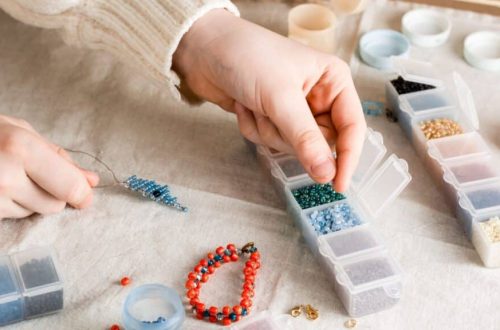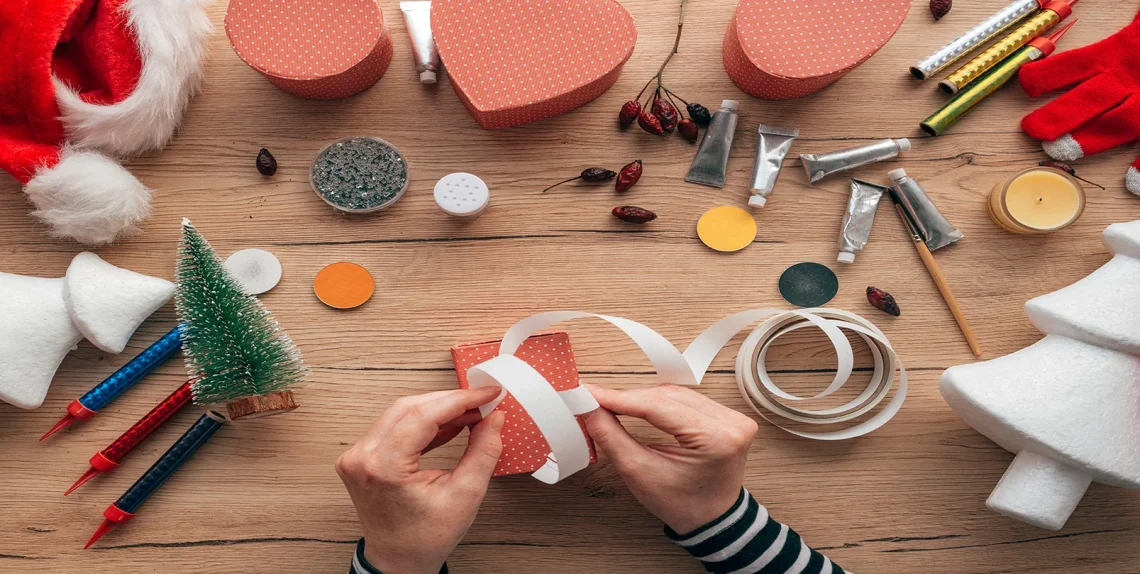
DIY gifts have always felt like a quiet but powerful way to express care. A handmade gift speaks before any words are said, because time, effort, and intention are woven into it. I focus on making gifts that reflect thoughtfulness rather than perfection. That approach has helped me create meaningful connections through even the simplest handmade items.
Showing true care through gifting starts with intention. I think about the person, our relationship, and what might genuinely make them feel appreciated. The goal is never to impress, but to connect. DIY gifts allow that connection to come through clearly and honestly.
Putting Thought Before Materials
The heart of a caring DIY gift lies in the thought behind it, not the materials used. I begin each project by considering what the recipient values or needs emotionally. This helps guide every choice that follows. Thoughtful intention makes even basic materials feel meaningful.
When thought leads the process, the final gift feels aligned with the recipient. It avoids feeling generic or forced. This mindset also removes pressure, because meaning does not depend on expensive supplies. Care shows through attention, not cost.
Letting the Gift Reflect the Relationship
Every relationship is different, and a meaningful DIY gift should reflect that. I think about shared experiences, inside jokes, or quiet moments that define our connection. These details help shape the gift’s personality. The result feels specific rather than broad.
Reflecting the relationship adds authenticity. The recipient can sense that the gift was made for them alone. That exclusivity strengthens emotional impact. It turns the gift into a symbol of the bond we share.
Using Time as a Form of Care
Time is one of the clearest ways to show care, and DIY gifts naturally involve it. I invest time not just in making the item, but in thinking, planning, and reflecting. That time becomes part of the gift itself. It communicates priority and presence.
Spending time on a gift sends a clear message. It shows that the person mattered enough to slow down for. That message often resonates more deeply than the object itself. Time-based effort leaves a lasting emotional impression.
Adding Personal Messages That Matter
Personal messages elevate DIY gifts from thoughtful to deeply caring. I include handwritten notes, short letters, or meaningful phrases. These words explain the intention behind the gift. They give the recipient insight into my thoughts and feelings.
Writing these messages helps me articulate care more clearly. It adds emotional clarity to the gift. Over time, these notes often become keepsakes. The written words carry care long after the gift is received.
Making Practical Gifts Feel Emotional
Practical gifts can still show deep care when approached thoughtfully. I focus on items the recipient will actually use. Adding a personal touch transforms usefulness into meaning. That balance makes the gift both functional and heartfelt.
When a practical gift becomes part of daily life, it reinforces care repeatedly. Each use becomes a reminder of the relationship behind it. This ongoing presence strengthens emotional connection. Care is shown not once, but over time.
Paying Attention to What Is Unspoken
Some of the most caring DIY gifts come from noticing what is not said. I pay attention to subtle cues, habits, and patterns. These quiet observations often reveal what someone truly needs or values. Acting on them shows deep attentiveness.
Unspoken needs might include comfort, encouragement, or reassurance. A gift that responds to these needs feels deeply personal. It communicates empathy and understanding. That level of care builds trust and emotional safety.
Keeping Designs Simple and Honest
I prefer simple designs because they allow sincerity to shine. Overcomplicating a gift can distract from its meaning. Simplicity keeps the focus on intention. It makes the gift feel genuine rather than performative.
Simple designs also feel approachable and human. They carry warmth rather than polish. This honesty resonates emotionally. Care is often felt most strongly through simplicity.
Including Shared Memories Thoughtfully
Shared memories are powerful tools for showing care. I often incorporate elements that reference meaningful moments. This might be a date, a place, or a symbol only we recognize. These details deepen emotional resonance.
Referencing shared memories reinforces connection. It reminds the recipient of experiences that shaped the relationship. The gift becomes a physical reminder of those moments. That reminder strengthens emotional bonds.
Letting Imperfection Show Effort
Imperfection plays an important role in caring DIY gifts. Small flaws show that the item was made by hand. They reflect effort, not failure. I no longer hide these imperfections.
These imperfections add character and authenticity. They remind the recipient that the gift was made with care, not manufactured. That honesty often makes the gift feel more intimate. Care feels real when perfection is not the goal.
Making Gifts That Support Well-Being
Gifts that support emotional or mental well-being show deep care. I sometimes create items meant to comfort, encourage, or calm. These gifts acknowledge the recipient’s inner world. They offer support rather than distraction.
Well-being-focused gifts show empathy. They communicate that I care about how the person feels, not just what they have. Over time, these gifts often become sources of comfort. That ongoing support strengthens trust and connection.
Creating Gifts That Invite Reflection
Reflection-oriented gifts allow the recipient to engage inwardly. Journals, prompts, or memory-based items encourage self-expression. These gifts show care for personal growth. They offer space rather than answers.
Inviting reflection respects the recipient’s individuality. It allows them to shape the gift’s meaning. Over time, these items become deeply personal. Care grows as the gift evolves with use.
Using Presentation to Show Care
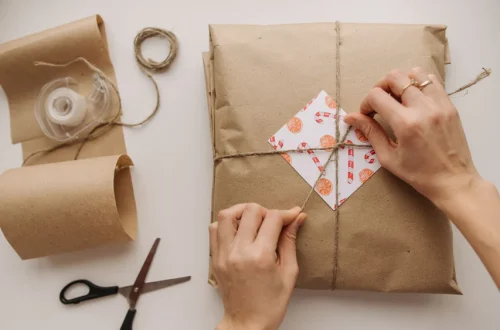
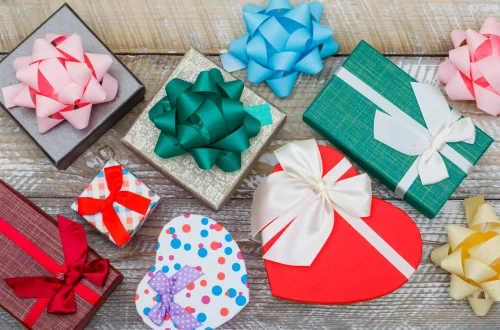
Presentation plays a subtle but important role in caring DIY gifts. I pay attention to how the gift is wrapped and presented. Thoughtful presentation shows respect and intention. It sets the emotional tone.
A carefully presented gift feels complete. It shows that care extended through every step. The moment of receiving becomes more meaningful. Presentation enhances emotional impact without requiring complexity.
Making the Gifting Moment Intentional
How a gift is given matters as much as the gift itself. I choose moments that feel calm and present. Avoiding rushed exchanges helps the care behind the gift come through. The setting supports the message.
An intentional gifting moment allows connection. It creates space for emotion and appreciation. This shared moment becomes part of the memory. Care is felt through presence as much as through the gift.
Creating Gifts That Encourage Connection
Some DIY gifts are designed to strengthen connection directly. I enjoy making items that invite shared experiences or interaction. These gifts bring people together. They extend care beyond the moment of giving.
Connection-focused gifts reinforce relationships. They encourage time spent together. That shared time deepens understanding and trust. Care grows through interaction.
Letting the Recipient Feel Seen
One of the strongest signs of care is making someone feel seen. DIY gifts allow me to reflect the recipient’s personality and values. This might involve colors, themes, or symbols that resonate with them. These choices show awareness.
Feeling seen creates emotional validation. The recipient recognizes themselves in the gift. That recognition builds closeness. Care is felt through accurate reflection.
Avoiding Comparison and Expectations
Caring gifts are not about comparison or expectations. I avoid measuring gifts against others. The focus stays on the relationship, not performance. This keeps the gesture sincere.
Removing comparison allows authenticity. The gift exists for the recipient alone. That clarity strengthens emotional impact. Care thrives when free from external pressure.
Making Care Consistent, Not Occasional
Consistency shows care more clearly than occasional grand gestures. I view DIY gifting as an ongoing practice. Small, thoughtful gifts given over time build trust. They show steady presence.
Consistent care feels reliable and grounding. It reinforces the relationship naturally. Over time, these small gestures accumulate meaning. Care becomes part of the relationship’s foundation.
Allowing the Gift to Grow With Time
Some DIY gifts are designed to evolve. They might be added to, used repeatedly, or revisited. This growth reflects the relationship itself. Care deepens as the gift continues to matter.
Allowing a gift to grow acknowledges change. It shows respect for the future as well as the present. Over time, the gift gains layers of meaning. That evolution strengthens emotional connection.
Trusting Intuition During the Process
I rely on intuition when making caring DIY gifts. Logic matters, but feeling guides the process. If something feels right, it usually is. This trust keeps the gift aligned with intention.
Intuition helps avoid overthinking. It keeps the focus on connection. When intuition leads, the gift feels natural. Care flows more easily through authentic expression.
Closing Thoughts on DIY Gifts That Show You Truly Care
DIY gifts that show true care come from intention, presence, and attention. They do not require perfection, expense, or complexity. I have learned that care is felt most strongly through sincerity and effort. These gifts become symbols of connection rather than objects.
Focusing on thought, emotion, and relationship transforms gifting into an act of care. Each handmade gift becomes a quiet reminder of being valued and understood. Over time, these gestures strengthen bonds and create lasting memories. That is the true power of DIY gifts made with care.